Monday 8 December


Workshops kindly presented by the South Australia Genomics Centre

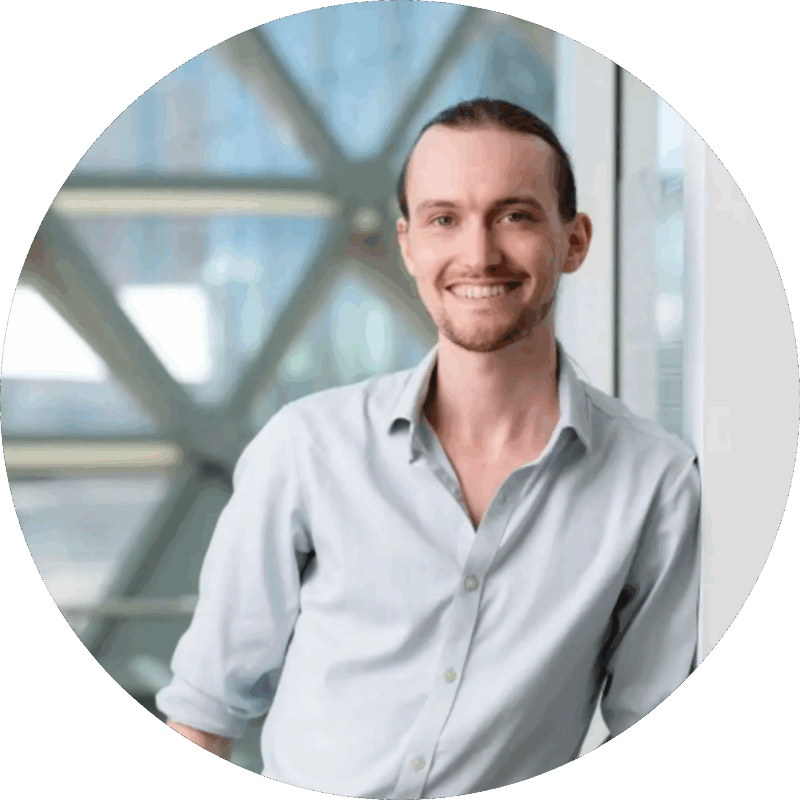
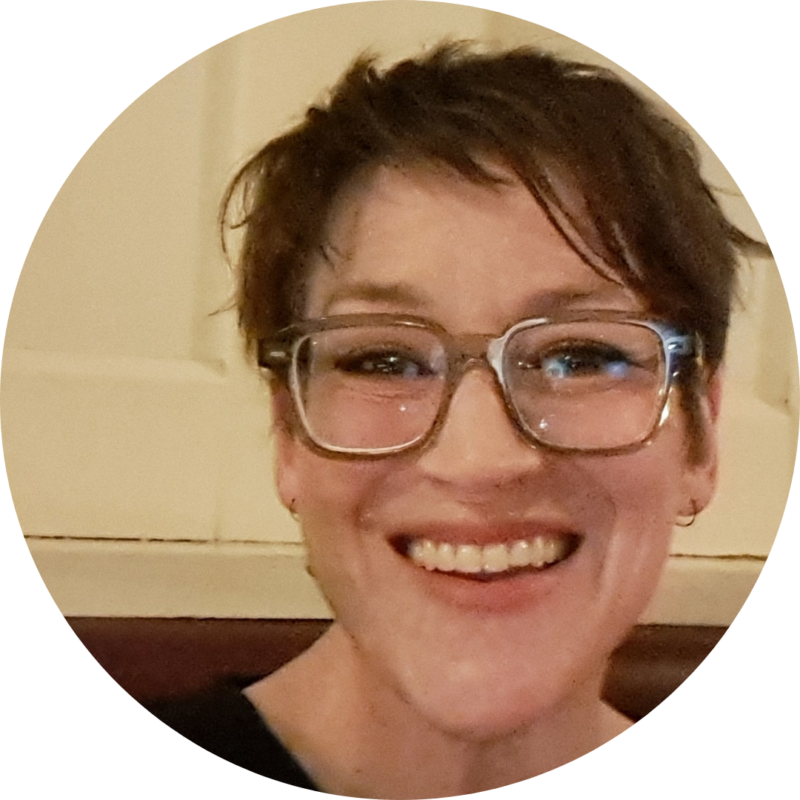
Dr John Salamon

South Australian Genomics Centre

John is a senior bioinformatician at the South Australian Genomics Centre with interests in data visualisation, network biology, and software development.

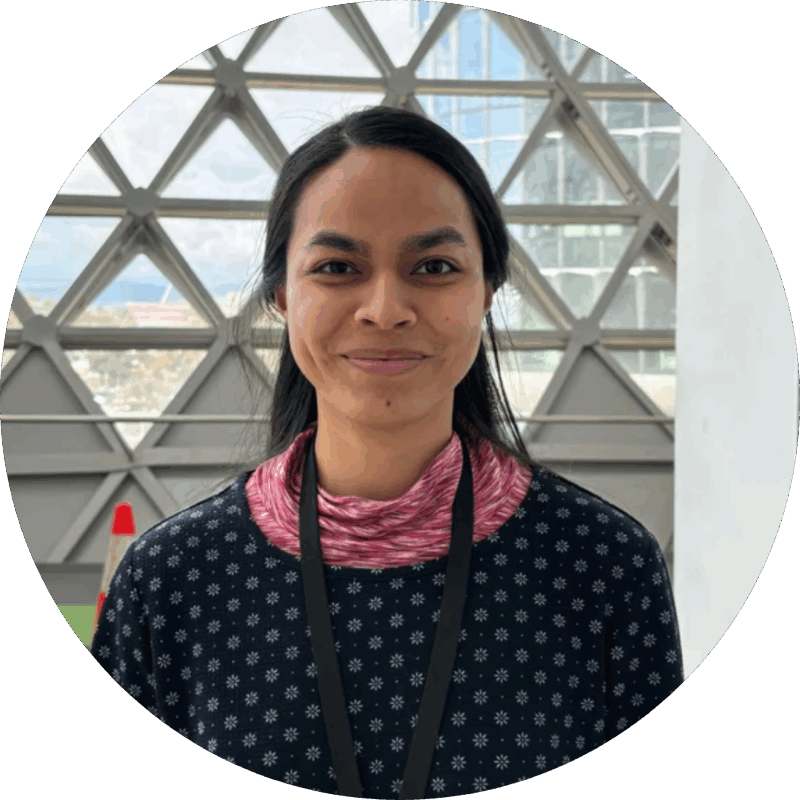
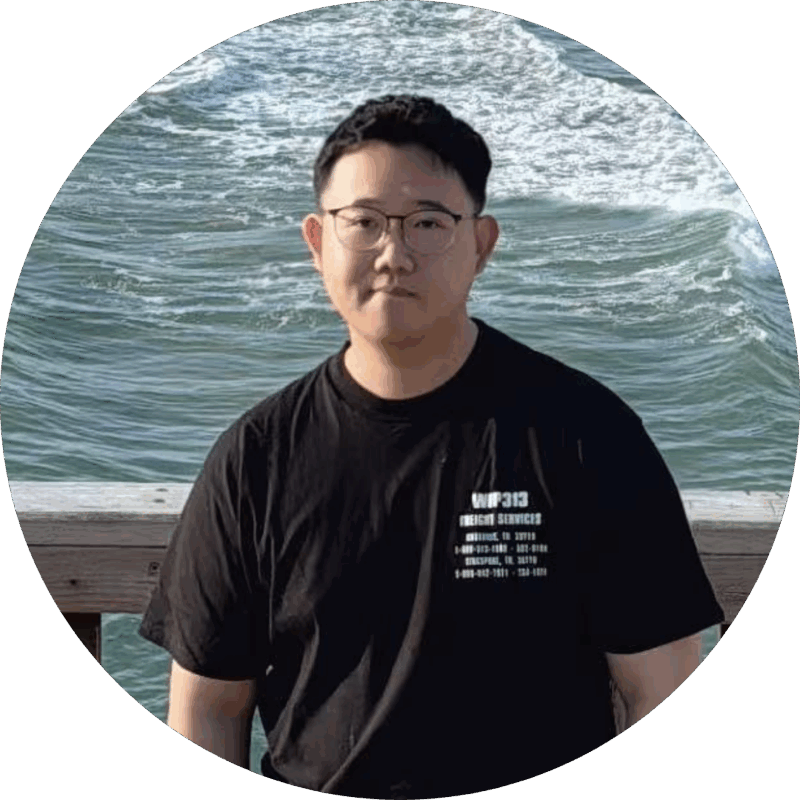
Dr Sarah SHah

South Australian Genomics Centre

My academic research focused on the genomes of gut parasites and coral symbionts, with an emphasis on microbial eukaryote evolution. I later worked at Microba, a gut health diagnostics company, where I gained DevOps experience. I have hands-on expertise with a range of sequencing platforms, including Illumina, PacBio, Nanopore, and 10X spatial transcriptomics. My role at SAGC as a bioinformatician involves working on compute architecture and pipeline development.

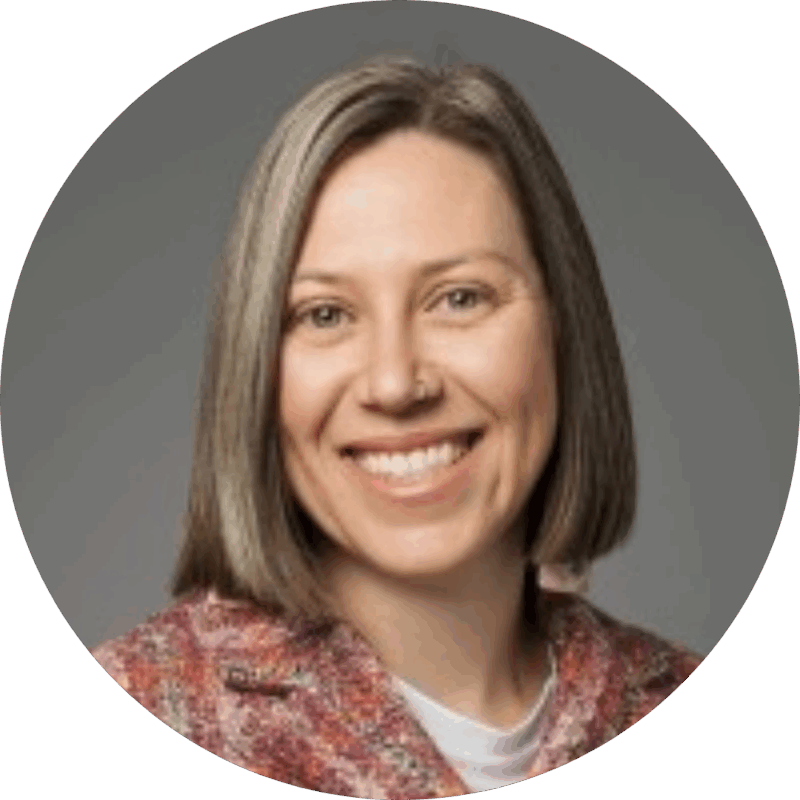
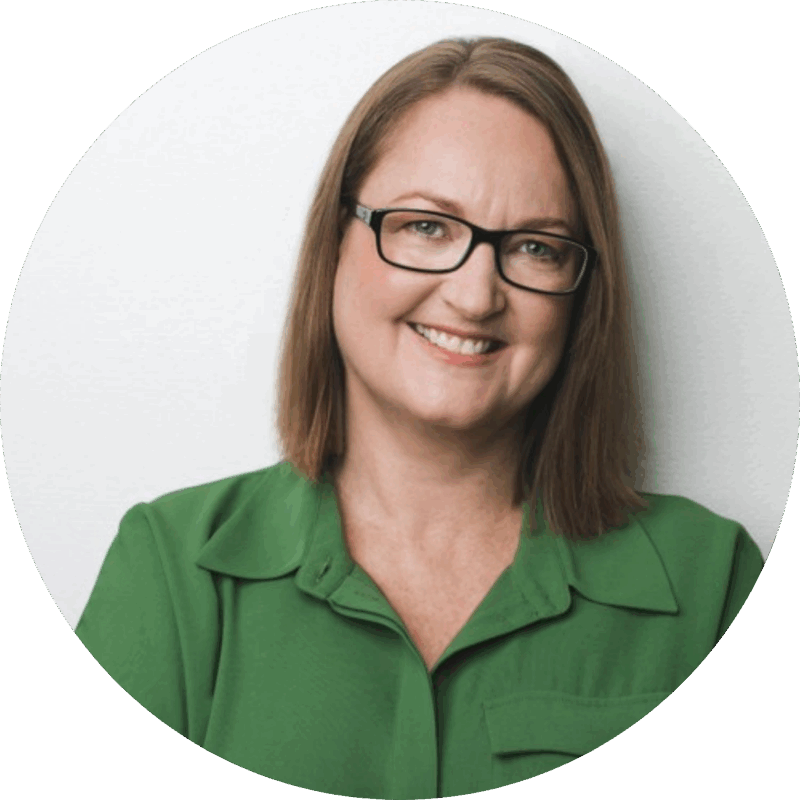
Dr Sarah Beecroft

Pawsey Supercomputing Research Centre

Sarah obtained a PhD in Medicine from UWA in 2020. She has a background in both laboratory and computational genetics, specifically focussing on disease gene discovery in neuromuscular disorders.
She is now part of the Supercomputing Applications team at Pawsey, working to support bioinformatics users through workflow development and optimisation, training, and advocacy.

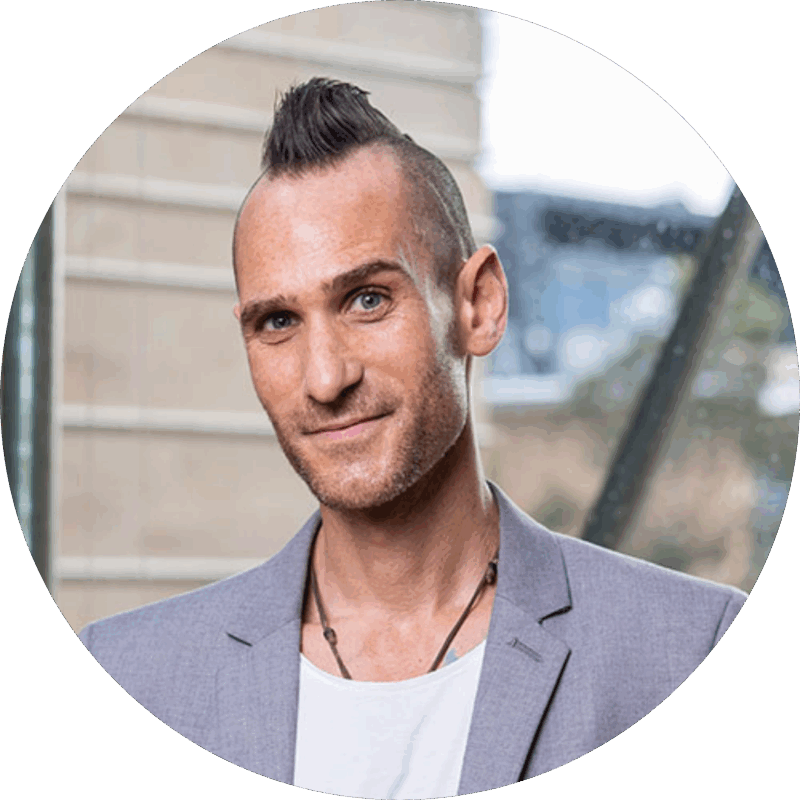
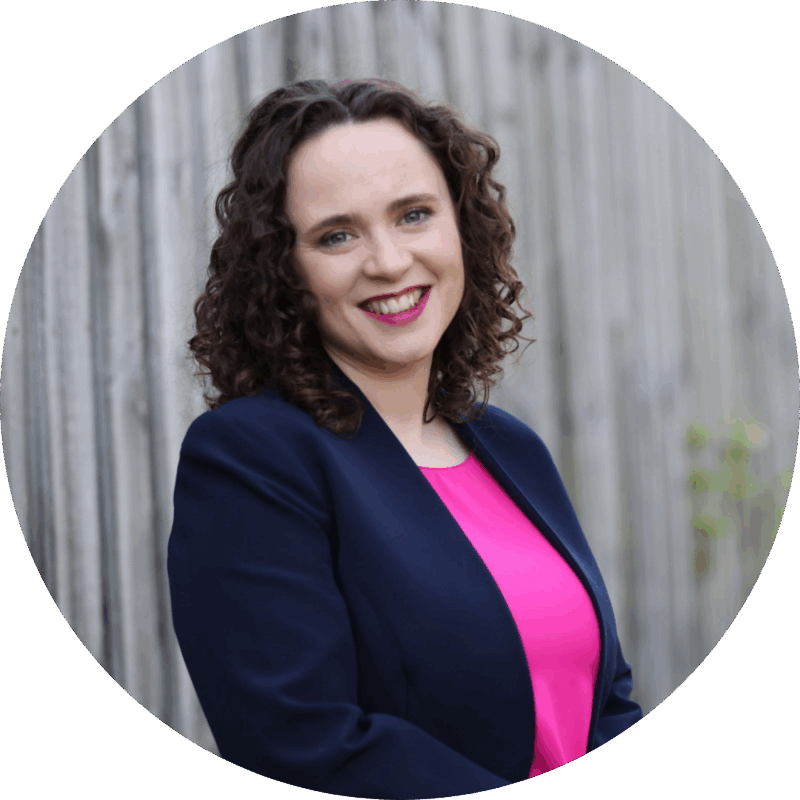
Cathal King

South Australian Genomics Centre

Cathal is a bioinformatician who specialises in single-cell and spatial transcriptomics analyses. He has worked on several research projects analysing and interpreting modern high-throughput omics experiments. He completed a MSc in Computational Genomics from the University of Galway, Ireland and is a certified Data Carpentries instructor.

Tuesday 9 December

Workshops Proudly supported by the Solutions for Manufacturing Advanced Regenerative Therapies (SMART) Cooperative Research Centre (CRC)

Back to top

Wednesday 10 December

Jodie Haigh

Australian Research Council | Australian Science Communicators

Jodie Haigh is a strategic communications professional working at the intersection of research, communication, and engagement. She has led digital media and communications at the European Molecular Biology Laboratory, and edited leading scientific journals including Advanced Healthcare Materials and Small. Jodie now manages strategic communications at the Australian Research Council and serves as Treasurer of Australian Science Communicators, a national peer network supporting excellence in science communication. She is passionate about making complex research accessible, advocating for equity in STEM, and empowering researchers to engage with diverse audiences.

Dr Jonathan Berengut

Postdoctoral Research Fellow, UNSW

Jonathan Berengut is a postdoc at the EMBL Australia node at UNSW, but his first career was in the design industry. There, he studied, worked and lectured for more than 14 years, working his way up to senior designer at a small product design consultancy, creating products and graphics for a wide range of clients. Switching to science in 2012, he did a Bachelor of Science with hons and the UNSW University Medal in 2015, and then a PhD on the design and synthesis of DNA origami nanorobots. He’s won prizes including first place at BioMod, the international bio-molecular design competition, and first place at UNSW’s and U21’s global 3-minute thesis competitions. In his scientific career, Jonathan has retained his passion for design, and wants to help scientists be better visual communicators.

Back to top

Thursday 11 December

Workshops kindly presented by Microscopy Australia
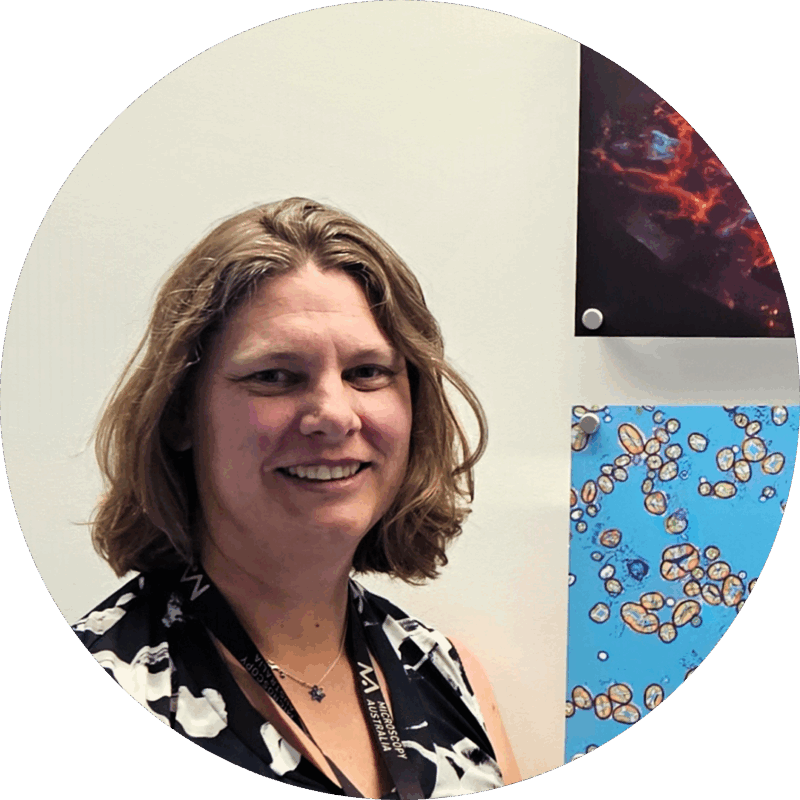
Dr Jane Sibbons

University of Adelaide, Bioscience Imaging Microscopist


Dr Gerry Shami

The University of Sydney

Gerry is a postdoctoral research associate at the University of Sydney, working within Sydney Microscopy and Microanalysis. He completed his PhD under the supervision of Professor Filip Braet, followed by a Postdoctoral Research Fellowship under Professor Leann Tilley at the University of Melbourne. His research spans cell and structural biology, hepatology, parasitology, drug discovery, and the development of advanced biomedical imaging workflows for correlative microscopy. Gerry currently investigates the ultrastructure and function of giant mitochondria in metabolic-associated and alcohol-related liver diseases using volume electron microscopy.

Dr Fiona Whelan

Fiona is an experienced researcher and newly minted academic developing biosensors of small molecules and proteins for point-of-use analytics. She has broad expertise in the area of protein structure/function, incorporating molecular biology, protein chemistry, X-ray crystallography, biophysical techniques like small angle X-ray scattering, molecular dynamics simulations, and structure determination by cryo-EM single particle analysis. Fiona is now building a research group in the School of Biological Sciences, SET Faculty, University of Adelaide. In parallel, she’s expanding cryo-EM capability for SA at Adelaide Microscopy – with an established pipeline for SPA, now aiming to integrate micro-electron diffraction and cryo-electron tomography.

Dr Sonja Frölich

University of Adelaide

Dr Sonja Frölich is a Lecturer in Biological Sciences at the University of Adelaide and a molecular parasitologist by training. She drives interdisciplinary projects that combine quantitative microscopy, host–pathogen imaging and AI-driven image analysis across parasites, bacteria pathogens and flaviviruses. Sonja also works at the interface of digital pathology, AI safety and governance, contributing to national discussions on the safe deployment of AI in clinical imaging.

She is the founder of DefenSight, an emerging AI-enabled “cellomics” platform that uses multiplex imaging and explainable machine learning to detect early cellular injury from infectious, chemical and radiological threats, with applications in Defence, One Health and biosecurity. Sonja is particularly committed to training the next generation of researchers to think across wet and dry lab boundaries and to design imaging experiments that are robust, quantitative and AI-ready.

Dr Ning Liu

SAiGENCI

Dr Ning Liu is a bioinformatician at the Adelaide Centre of Epigenetics (ACE) and South Australian Immunogenomics Cancer Institute (SAiGENCI). His research focus on developing novel computational methods and algorithms to study cell microenvironment and its impact on transcriptome using data generated from single-cell and spatial molecular technologies. As well as integrating the epigenome and transcriptome to discover novel regulations and mechanisms in the context of cell development.
Dr Liu has published in some of the highest-ranking journals in the field, including Nucleic Acids Research, Genome Biology, Immunology and Nature. He has also developed 4 open-source software packages.

Back to top

Friday 12 December


PRof KAthy ANdrews

Griffith University – Institute for Biomedicine and Glycomics

Prof Kathy Andrews’ research focuses on malaria drug discovery and the discovery of novel vaccine adjuvants (>$30M funding; >115 papers; 7,000 cites). She is the Director of the NHMRC Centre of Research Excellence in Vaccine Adjuvant Discovery and Development (Vaccine-ADD) and former Director of the Griffith Institute for Drug Discovery. Prof Andrews is passionate about mentoring the next generation of researchers and through her That’s RAD! Science project has produced five STEM books that have been distributed to >14,000 children and libraries around Australia with an estimated reach of >30,000 people. In 2022, Prof Andrews published her Impact CV concept in Nature Careers and is using this to help build capability of researchers in planning, tracking and communicating research impact.

PRof DEnis Bauer

CSIRO

Dr Denis Bauer is a government research scientist, adjunct professor at Sydney and Macquarie University, and an AWS Hero. Her unique approach of joining cloud-computing with deep biological domain knowledge translates research into impactful products that have been used for disease gene detection in Motor Neuron Disease and the COVID-19 vaccine development. She chairs the Westmead Research Hub Bioinformatics committee, is the senior author on a Nature Biotechnology publication, as well as keynotes international IT and Medical conferences. She was recognized in the Women in AI awards 2022 and is affiliated with the Australian Institute for Machine Learning. She has attracted more than $50M in funding to further life-science research and digital health.

Dr Luke ISbel

Monica Espinosa Gomez

Department of Industry, Science and Resources

Monica is an Assistant Manager (A/g) at the Strategic Policy Branch of the Department of Industry, Science and Resources. She joined the Australian Public Service in 2023 through the Science Policy Fellowship. She worked at the Office of the Chief Scientist from 2023-2025. Before working in government, Monica worked as a metabolic engineer in the Sydney-based start up All G and as a postdoctoral researcher at RWTH Aachen (Germany). Monica has a PhD in metabolic engineering and extensive experience in industrial biotechnology.

Back to top